
Privacy by default: simple phone settings for safer use of adult platforms
Most phone trouble starts with tiny traces that pile up over days and weeks. Your IP hints at your city. Cookies keep sessions alive across tabs. A device ID ties actions to one handset, so trackers can link movements even when you clear history. Location toggles add time and place to each tap. Ad pixels learn habits from small cues like hour, page order, and referrers. You do not need a complex kit to cut this noise. You need clear limits that match how you use your phone, a short review every month, and one safe guide you can open when menus change after an update.
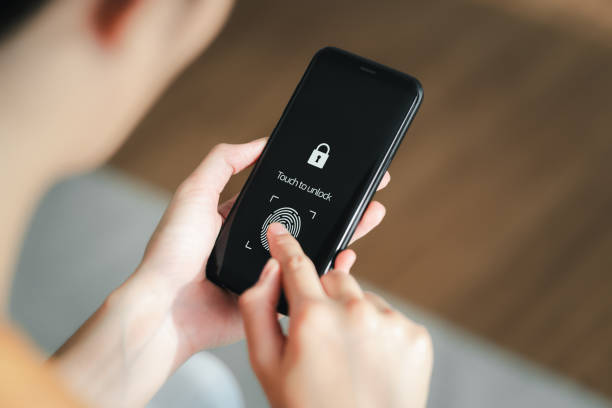
If you want a single page that explains each switch in plain words, bookmark an official help source and use it as your anchor when you adjust settings. The undress ai walk through permissions, location, and tracking step by step, so you can match each line on that page with what you see on your screen and move without guesswork. If you use an iPhone, Apple’s support pages cover the same ground with clear screenshots and short notes. With one trusted reference at hand, you stop chasing random tips, avoid risky tools, and keep a steady routine that you can repeat on any new phone.
Why this section matters on match days
Big events pull attention and shorten patience. That is when impulse taps happen, and that is when a clean setup pays off. Once the core switches are set and saved, the phone shares less by default, asks permission when a feature needs it, and locks fast when you put it down. The game can stay fun while your data stays calm.
One-time switches on Android and iOS that stick
Your goal is simple: shrink access to private parts of the device, then lock the door. Start with app permissions and set camera and mic to “Ask every time” for browsers and casual apps. Keep photos, contacts, and calendar off unless you share on purpose at that moment. Set location to “While using,” and turn off precise location for browsers; city level is enough for most tasks. On Android, turn on Private DNS if your carrier supports it; on iPhone, use iCloud Private Relay if your plan includes it. Raise auto-lock to one minute, choose a strong passcode, and add biometrics for any app tied to money or messages. Trim background refresh, so idle apps stop sipping data while the screen is off.
- Camera and mic set to “Ask every time” in non-essential apps
- Photos, contacts, and calendar off unless you share on purpose
- Location “While using,” with precise location off for browsers
- Private DNS (Android) or Private Relay (iOS) on when available
- Auto-lock at one minute, strong passcode, biometrics for sensitive apps
- Background refresh off for apps that do not need live updates
A quick check after you switch these on
Open a few common apps and try basic flows. If something asks for a broad permission without a clear reason, deny and test again. Most functions still work. When an app truly needs access, it will ask at the time of use, which keeps control with you.
Cleaner browser and network without extra tools
You can cut your trail with choices you will remember, not with a pile of add-ons. Create a separate browser profile for adult sites so history, cookies, and saved logins stay apart from daily use. Turn on strict tracking protection, block third-party cookies, and set a weekly auto-clear for that profile. Keep one search engine you trust and remove extra engines that creep in after updates. Use a password manager, so every login is unique, long, and never copied from notes. Turn on two-factor for accounts that hold payment details. At home, keep the router firmware current and the Wi-Fi password strong; avoid public networks for streaming, since shared access can expose traffic and change what loads on the screen.
Why profiles beat “incognito” alone
Private windows hide local history, yet they do not change how sites track you. A dedicated profile keeps cookies, storage, and add-ons fully separate. It is easy to open, easy to close, and it does not touch your main profile’s data.
Daily habits that keep your data steady
Settings do the heavy lift, but habits keep gains in place. Save private media to a locked folder or hidden album instead of the main gallery, and turn off thumbnail previews on the lock screen, so pop-ups do not flash at the wrong time. Before you grant a new permission, ask which feature needs it right now; if the answer is unclear, deny and see if the app still works. Once a month, review the system list of permissions and remove access from apps you stopped using. If late-night scrolling leads to rushed taps, add a short session timer and stick to it. When you finish, close the separate browser profile, clear recent data for that profile only, and switch back to normal use. Small steps like these keep control in your hands every day.
What to do when something feels off
If you see a prompt that asks for a new broad permission after an update, pause and check your bookmarked guide. Confirm the feature that needs it, then allow once and test. If the request returns without a clear need, remove the permission and send feedback inside the app.
Five-minute wrap-up you can reuse every week
Set a strong passcode and a one-minute auto-lock, then add biometrics for any app tied to money or messages. Change camera and mic to “Ask every time” for casual apps, remove precise location from browsers, and keep Private DNS or Private Relay on when available. Use a separate browser profile with strict tracking protection and a weekly auto-clear for site data. Keep a password manager and two-factor on the accounts that move money. With these moves in place – and with your anchor to official settings bookmarked – you keep the phone fast, the noise low, and your time free for the parts you care about.